Desktop TrueType decorative font, calligraphic style
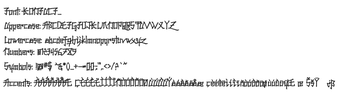
Konfuciuz, created by Apostrophic Labs, is a decorative typeface that evokes traditional Chinese and Japanese calligraphy for display typography. It ships as TrueType files and supplies three stylistic variants that designers can use for headlines, logotypes, promotional art, and gaming interface labels where bold display faces are required. The family includes Regular, Fat, and Thin styles and an extended character map suitable for high-impact, large-size display settings across print and digital media. It suits graphic designers, comic creators, and marketing teams working on Asian-themed branding or martial-arts and restaurant projects.
Konfuciuz translates brush calligraphy into a stylized display face
The font renders tall, angular strokes and an energetic, jagged rhythm that imitates quick brushwork. A visible "dry brush" texture appears on many strokes, producing a hand-drawn, cinematic effect that favors short, emphatic lines of text rather than continuous paragraphs. That visual character makes the font effective for headline treatments, logos, posters, and other applications where a bold, theatrical gesture is desirable.
How much typographic coverage does Konfuciuz provide?
The family contains roughly 225 characters and about 221 unique glyphs, covering Basic Latin, Latin-1 Supplement, and portions of extended Latin ranges. Those glyph counts supply standard alphanumeric characters, punctuation, and basic diacritics, which supports Western-language display use. The coverage is focused on display needs rather than broad international scripts, so designers planning extensive multilingual layouts should confirm specific language glyphs before deployment.
Installation and compatibility fit standard desktop workflows
The files are delivered as TrueType (.ttf)
A practical, historically notable display face for headline-driven projects
Konfuciuz dates from 2001 and carries a recognizable calligraphic motif that designers can use where a bold, theatrical headline is required. Given its origin and repository presence, the font functions as an established decorative choice; avoid deploying it for extended body text or wide multilingual typography because coverage concentrates on Latin ranges. For headline-driven branding and promotional art, it is a practical, historically notable option.